Leave Your Message
0%

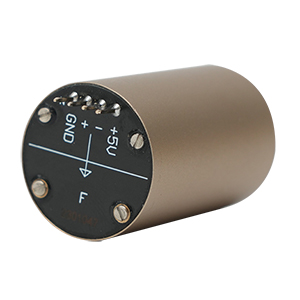
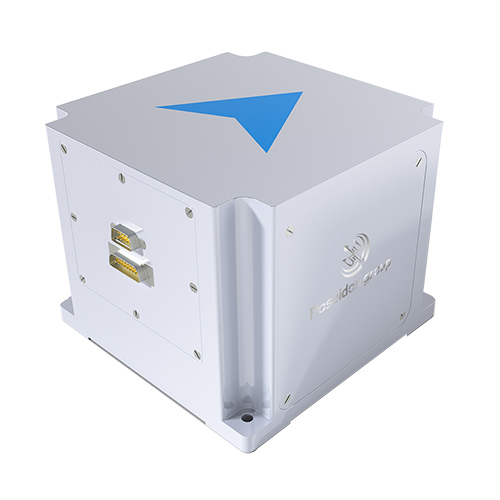
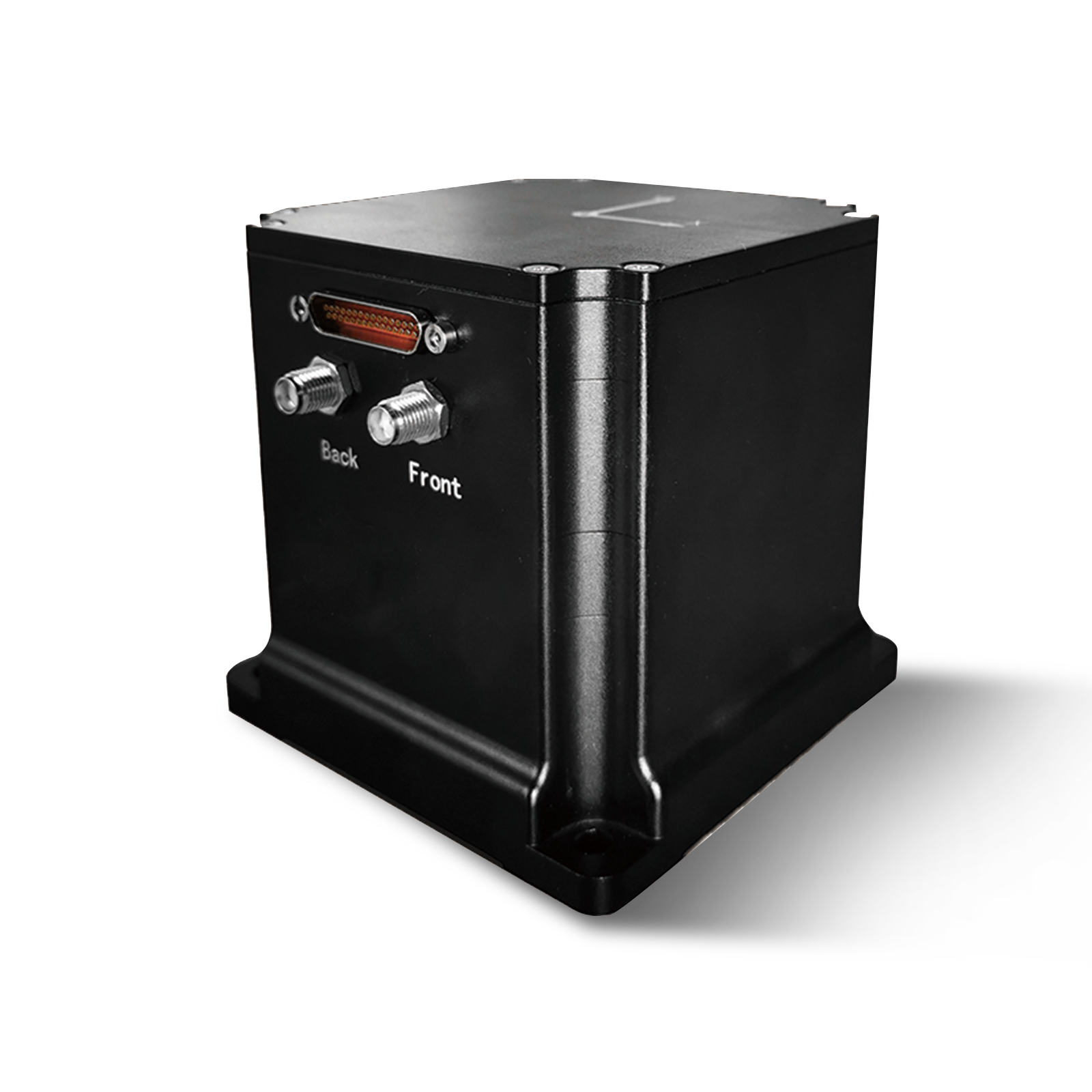
As we edge closer to 2025, it’s pretty clear that integrating advanced tech is becoming more and more crucial, right? One standout player in this game is the Inertial Measurement System (IMS), which is really key for boosting precision and efficiency across a bunch of fields. A recent market report from ResearchAndMarkets even predicts that the global inertial navigation system market is set to hit a whopping $13.38 billion by 2025, with a solid growth rate of 7.9% each year. This surge is mainly due to the skyrocketing demand for high-performance inertial sensors in everything from self-driving cars to aerospace and military applications. Then there’s Poseidon International Group (Hong Kong) Limited, which kicked off in 2013. They’re doing some impressive work in independent research, design, and creating cutting-edge technologies like fiber optic gyroscopes, inertial navigation systems, and autonomous driving tools. By tapping into the best of IMS, companies can really amp up their operational game and keep that competitive edge in this fast-paced tech world. Advantages of Utilizing the Best Inertial Measurement System in Your Applications

Benefits of Advanced Inertial Measurement Systems for Precision Applications

You know, Advanced Inertial Measurement Systems, or IMS for short, have really become a game changer in all sorts of industries like aerospace, automotive, and even robotics. These nifty systems work by combining accelerometers, gyroscopes, and sometimes magnets to give us real-time data on how things are moving and where they’re oriented. One of the coolest things about these advanced setups is their crazy accuracy. They’re great at cutting down on noise and fixing up errors, which means they provide super reliable measurements. This is absolutely crucial when you're dealing with stuff that needs to be spot-on precise.

And get this — another big advantage is how compact and easy to integrate they are. Today’s IMS can fit right into smaller devices without losing any of their punch. That makes them perfect for things like drones, smartphones, and those trendy wearable tech gadgets. It’s not just about saving space either; the reduced weight is key for making mobile systems more nimble and efficient. Plus, thanks to some smart algorithms and advanced signal processing, these systems can really hold their own in tough environments. They keep performing well even when the conditions are pretty extreme.

Key Features that Define the Best Inertial Measurement Systems in 2025

You know, technology is moving at lightning speed these days! It's amazing to see how sophisticated Inertial Measurement Systems (IMS) have popped up, serving everything from robotics to aerospace. By 2025, these IMS are really going to stand out with some key features. First off, you’ll want to look for ones that offer high precision and accuracy because, let’s be real, having reliable data under all sorts of conditions is super important. Systems that are more sensitive and have better noise reduction will definitely help users gain better insights and keep better control over their projects.

Advantages of Utilizing the Best Inertial Measurement System in Your Applications

Another thing to keep an eye on is how well these IMS can integrate with other tech. You’ll find that seamless compatibility with GPS and some fancy processing algorithms will really boost performance in real-time navigation and motion tracking—super cool, right? Plus, with all the advances in miniaturization, we can expect these systems to get more compact, meaning they'll fit nicely into all kinds of devices without sacrificing accuracy.

So, if you’re on the hunt for an IMS for your project, here are a couple of tips: Focus on systems that come with strong data validation features to cut down on errors while they're in action. It’s also pretty smart to choose options with upgradable software so you can stay on top of tech trends. And don't forget to check out the durability and environmental ratings of the system—gotta make sure it holds up in tough conditions!

How to Select the Right Inertial Measurement System for Your Project Needs

So, when you're on the hunt for the perfect Inertial Measurement System (IMS) for your project, the first step is to really get a grip on what you need for your specific application. Think about stuff like how accurate your measurements need to be, the range you'll be working in, and the sort of environment where the IMS will be set up. For example, if you’re diving into aerospace projects, you’re probably gonna need something that can survive those crazy temperatures and still give you top-notch precision in 3D spatial orientation. Getting your head around these requirements will definitely help you narrow down your choices to find something that fits your needs just right.

After that, it’s time to check out the different types of inertial sensors out there, like accelerometers and gyroscopes, and also their combos that come together in IMUs (Inertial Measurement Units). You'll want to weigh the pros and cons of things like bandwidth, noise levels, and power consumption. And don’t forget about how well the IMS can integrate with the other parts of your system—making sure it can chat nicely with your software and hardware is key. Oh, and pro tip: don’t skip over the supplier’s reputation and their customer support. Having a reliable partner can make a world of difference when you're in the trenches during implementation and troubleshooting.

Advantages of Utilizing the Best Inertial Measurement System in Your Applications - How to Select the Right Inertial Measurement System for Your Project Needs

Measurement Type Accuracy Range Update Rate Applications
Accelerometer ±0.5% FS ±16g 200 Hz Smartphones, Drones
Gyroscope ±0.1°/s ±2000°/s 1000 Hz Autonomous Robots, Gaming
Magnetometer ±1.0% FS ±4800 μT 50 Hz Navigation Systems, Wearables
IMU (Inertial Measurement Unit) ±0.5°/s (Gyro), ±0.3g (Accel) Full 3D range 2000 Hz Aerospace, Robotics
Embedded IMU ±1.0°/s (Gyro), ±0.5g (Accel) Compact Range 100 Hz Consumer Electronics, IoT Devices

Industry Trends Shaping the Future of Inertial Measurement Systems

You know, the world of Inertial Measurement Systems (IMS) is really changing fast, all thanks to some pretty cool tech developments and a surge in demand from various industries. I came across this report from Markets and Markets that said the IMS market could hit around $14.29 billion by 2026. A lot of that growth is fueled by applications in autonomous vehicles, aerospace, and defense. As companies lean more on precision and accuracy these days, having top-notch inertial measurement tech is becoming super important.

Now, Poseidon International Group (Hong Kong) Limited, which kicked off back in 2013, is making some waves in this space. They're all about independent research, design, and producing fiber optic gyroscopes (FOG) and inertial navigation systems (INS). Poseidon is really tapping into these industry shifts by offering cutting-edge solutions that boost performance and reliability in navigation and control systems. What’s cool is that they’re also integrating attitude and control systems with autonomous driving capabilities. This puts them in a great spot to take on a market that’s not just growing but also craving more sophistication in inertial measurement technologies. So, if companies want to ride this wave of advancements, teaming up with leaders like Poseidon could totally give them a leg up in the complex world of advanced navigation and autonomous systems.

Integrating Inertial Measurement Systems with Emerging Technologies

You know, the way Inertial Measurement Systems (IMUs) are being combined with new tech is really shaking things up across lots of different areas. Just think about automotive safety and healthcare—it's pretty exciting! For example, there’s this new ABS system that’s got an IMU built right in. This clever combo brings together braking and inertial data, making vehicle control a whole lot smoother. It’s not just about making things more streamlined; it actually boosts safety, which is a big deal for motorcycles and scooters. They’re becoming way more reliable, and that’s something we can all appreciate.


Now, let’s talk health. In the medical world, advancements like gait measurement systems with IMUs are changing the game. They collect super-accurate data on how we walk. That information is gold when it comes to diagnosing issues and tracking how well someone is recovering. Recent research shows that with precise gait analysis, we could see better therapy results and even save some bucks on treatment plans. The way these small, high-performance IMUs are being used more and more suggests we’re really on the verge of some cool changes that blend movement with health monitoring thanks to some cutting-edge sensor tech.

Case Studies: Successful Applications of Inertial Measurement Systems in Various Sectors

Inertial Measurement Systems, or IMS for short, are really making waves in a bunch of different sectors, making things a lot more precise and efficient. Take the aerospace industry, for example—companies out there are using super advanced IMS for navigation and attitude control in their aircraft and spacecraft. These nifty systems collect real-time data about orientation and acceleration, which is super important for keeping flights safe and stable. And it's not just aviation; the automotive world is all about IMS too. They're a key part of advanced driver-assistance systems, helping with things like lane keeping and collision avoidance.

Advantages of Utilizing the Best Inertial Measurement System in Your Applications

When you're thinking about bringing an inertial measurement system on board, it's super important to really understand the specific needs of your application. Here’s a little tip: always keep sensor accuracy and reliability at the top of your list, since those factors play a huge role in how well the system performs. Also, checking out case studies from industries that have already successfully integrated IMS can give you some great insights into best practices and any potential hiccups you might face.

And don’t forget about healthcare! That sector is starting to adopt IMS in wearable devices, which is pretty cool because it allows for better monitoring of patient movements during rehab. Another tip: teaming up with industry experts can really help make sure the IMS you choose meets all the technical and regulatory requirements, so you can get the most out of this technology in your projects.

FAQS

: What are the key features that define the best Inertial Measurement Systems (IMS) in 2025?

: The best IMS in 2025 will be characterized by high precision and accuracy, enhanced sensitivity, noise reduction capabilities, versatility in integration with other technologies, seamless compatibility with GPS, advanced processing algorithms, and compact designs due to advancements in miniaturization.

How important is precision and accuracy in Inertial Measurement Systems?

Precision and accuracy are paramount in IMS as they ensure reliable data collection under diverse conditions, which is crucial for applications in fields such as robotics and aerospace.

What should I prioritize when selecting an Inertial Measurement System for my project?

When selecting an IMS, prioritize systems with robust data validation features, upgradable software to stay current with technological advancements, and durability with appropriate environmental ratings for reliability in challenging conditions.

What is driving the projected growth of the Inertial Measurement Systems market?

The IMS market is projected to grow, reaching $14.29 billion by 2026, primarily driven by applications in autonomous vehicles, aerospace, and defense sectors, along with the increasing demand for precision and accuracy.

Which company is leading in the development of advanced Inertial Measurement Systems?

Poseidon International Group (Hong Kong) Limited is a leader in this field, focusing on the independent research, design, and production of fiber optic gyroscopes and inertial navigation systems, thus addressing current industry trends.

How does the miniaturization of Inertial Measurement Systems benefit users?

Advancements in miniaturization result in compact designs that make IMS easier to deploy across a wider range of devices while still maintaining accuracy.

Why is integration with other technologies important for Inertial Measurement Systems?

Seamless integration with technologies such as GPS and advanced processing algorithms enhances performance in real-time navigation and motion tracking applications, making the systems more versatile.

What role do advanced inertial measurement technologies play in autonomous driving?

Advanced inertial measurement technologies enable better navigation and control systems, which are essential for the sophisticated demands of autonomous driving capabilities.

What is the significance of working with industry leaders like Poseidon in the IMS market?

Partnering with industry leaders like Poseidon provides a competitive edge as they offer cutting-edge solutions that enhance performance and reliability in navigation and control systems.


Charlotte

Charlotte

Charlotte is a seasoned marketing professional at Poseidon, a pioneering company established in 2013, specializing in the research, design, and production of cutting-edge fiber optic gyroscopes (FOG), inertial navigation systems (INS), and advanced autonomous driving systems. With a deep......
Previous How the Best Inertial Sensor System Fuels China's Manufacturing Growth Amidst US-China Tariff Challenges